Restoring the UK’s seabed ecosystem to its former glory

For most people what lies beneath the ocean is out of sight and out of mind. For scuba divers and others privileged enough to see first-hand what lies beneath the waves, it’s a story of both awe and despair.

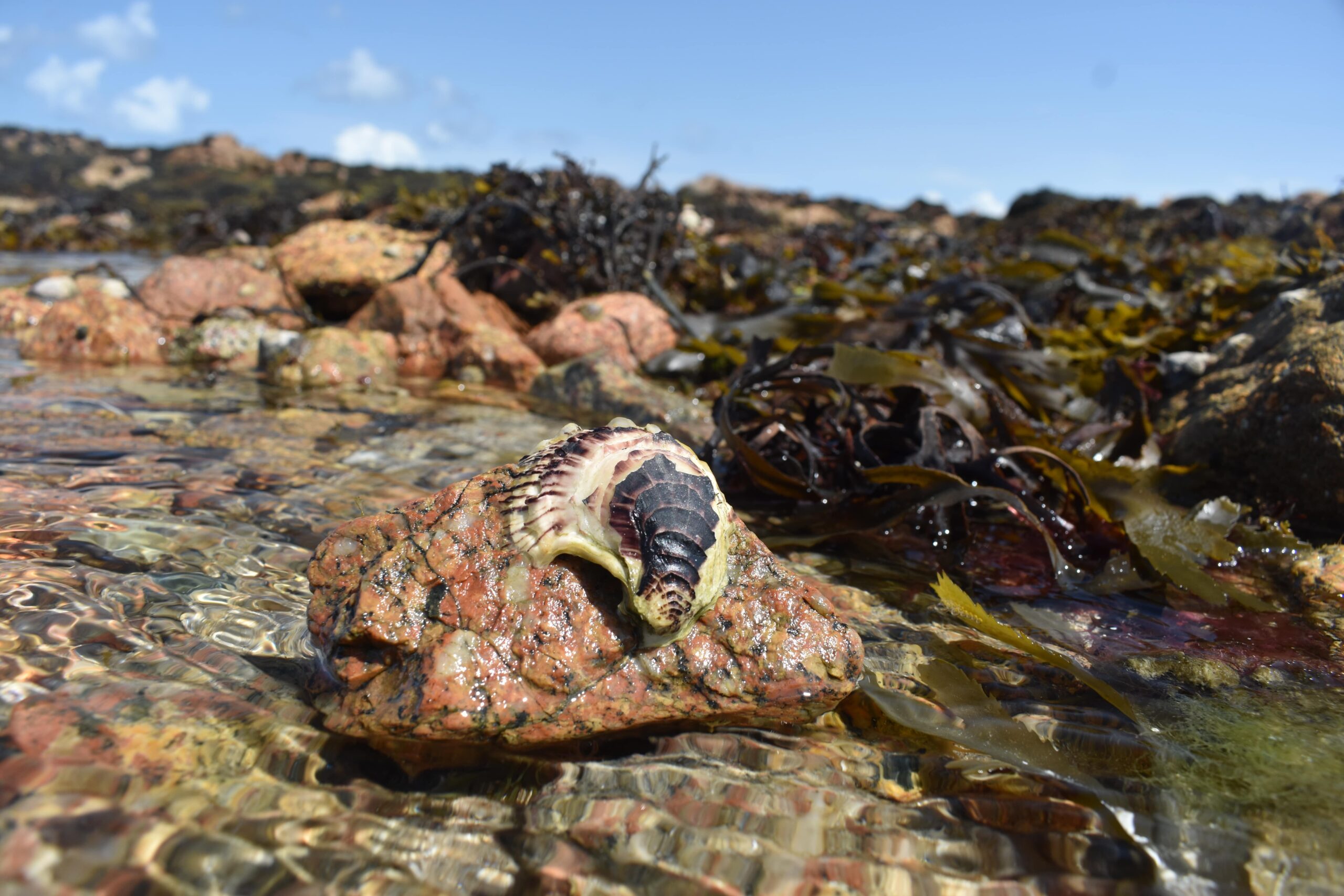
Like many places the once abundant seas around the UK have been under pressure from human activity and over-fishing for years. Our native flat oysters – great ecosystem engineers that keep the water clean and clear and provide a stable ecosystem habitat for countless other species – have been harvested to near extinction, with detrimental affects across the seabed ecosystem and offshore food chain as a result.

OUR MISSION

Rebuilding our ecosystem

Plant an Oyster aims to counteract this decline and restore the seabed to it’s former glory – rebuilding the carpets of oyster-beds we once had to encourage the natural return of clean seas and full ecosystem diversity and resilience. 

Beyond that, oysters also have a remarkable ability to absorb atmospheric carbon dioxide dissolved in the ocean and lock it permanently into the calcium carbonate of their shells, helping clear up the atmosphere as well as cleaning up the ocean.

Our native flat oyster is the key to delivering these key benefits for the ocean and for the planet, but we need a full oyster bed restoration plan if they are to return in the numbers required to make a difference. At Plant an Oyster we want you to help us make that happen. 

key info

Benefits of a thriving native oyster reef

Delivering as an ecosystem should, as well as improving water clarity, biodiversity and sequestering carbon. Plus, Engage local communities and facilitate STEM projects

Provide the cold water equivalent of coral reefs providing habitat and an nursey for many other species (some 466 species according to a recent study)

Improve water clarity as an individual adult oyster can filter up-to 200lt of water per day (the average UK citizen uses 150lt of water per day)

Absorb nutrients such as nitrates and nitrites that cause algae blooms and this helps absorb nitrates flushed from the land

Provide a source of blue carbon by locking away carbon dioxide in their substantial shells

GET INSPIRED

The impact

Andy has been exploring the underwater world for over 30 years as both a scuba diver and an engineer; both professionally and for fun. He believes mankind is responsible for the stewardship of the planet. As a Fellow of both the Institute of Mechanical Engineers and the Society for Underwater Technology he specialises in solving problems in the marine/subsea environment.

A couple of years ago he established and leads the British Sub Aqua Clubs Operation Oyster project which equips sports divers to play a role in restoring native oyster reefs.
www.bsac.com/operationoyster

 
marie
softy
cela
omi

Get involved in restoring our coastline.

Please leave your contact details below and a member of our team will get back to you.